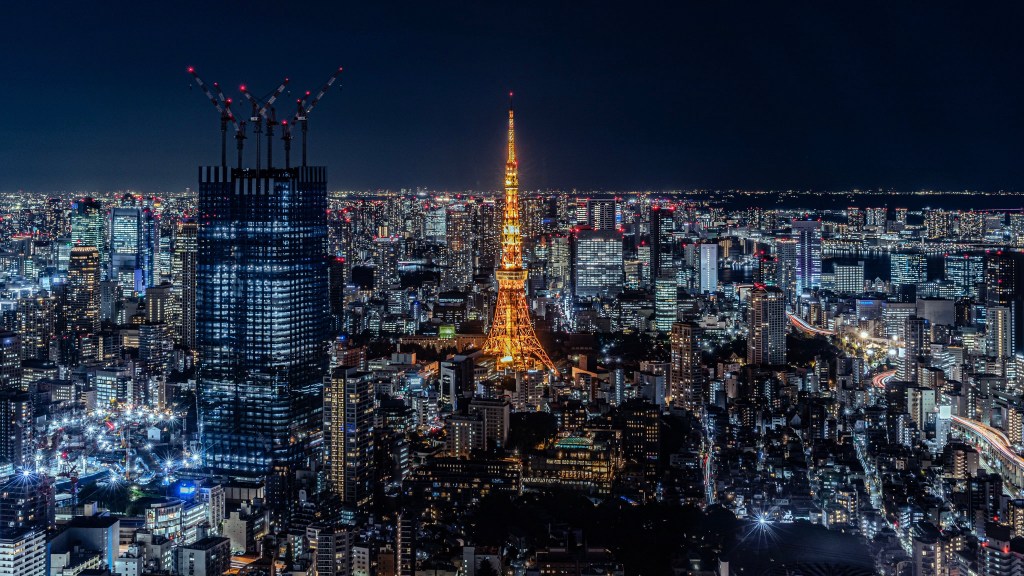
Tokyo: A Sensory Overload
People often describe Tokyo as some sort of futuristic city. And sure, its neon skyline and tech-inspired vibe have fueled countless sci-fi fantasies, but to me, Tokyo is more than just a Blade Runner fever dream. It’s a full-blown assault on the senses. The lights, the sounds, the tantalizing aromas wafting from street vendors—they all conspire to overwhelm you in the best possible way. The first time I strolled through Shibuya, it felt like Vegas on steroids. Yes, it’s a little chaotic at first, but peel back that initial sensory overload, and you’ll uncover layer after layer of charm and intrigue.
Tokyo caters to everyone, from the budget traveler to those with platinum cards they’re not afraid to use. Getting lost here isn’t just inevitable; it’s practically a rite of passage. And unlike Kyoto, where locals occasionally side-eye tourists like they’re an invasive species, Tokyo doesn’t have time to care who you are. With over 25 million people bustling about, the city simply expects you to keep up. It’s like New York City in that way, but with less yelling and more bowing.
“Lost in Translation” and My Tokyo Obsession
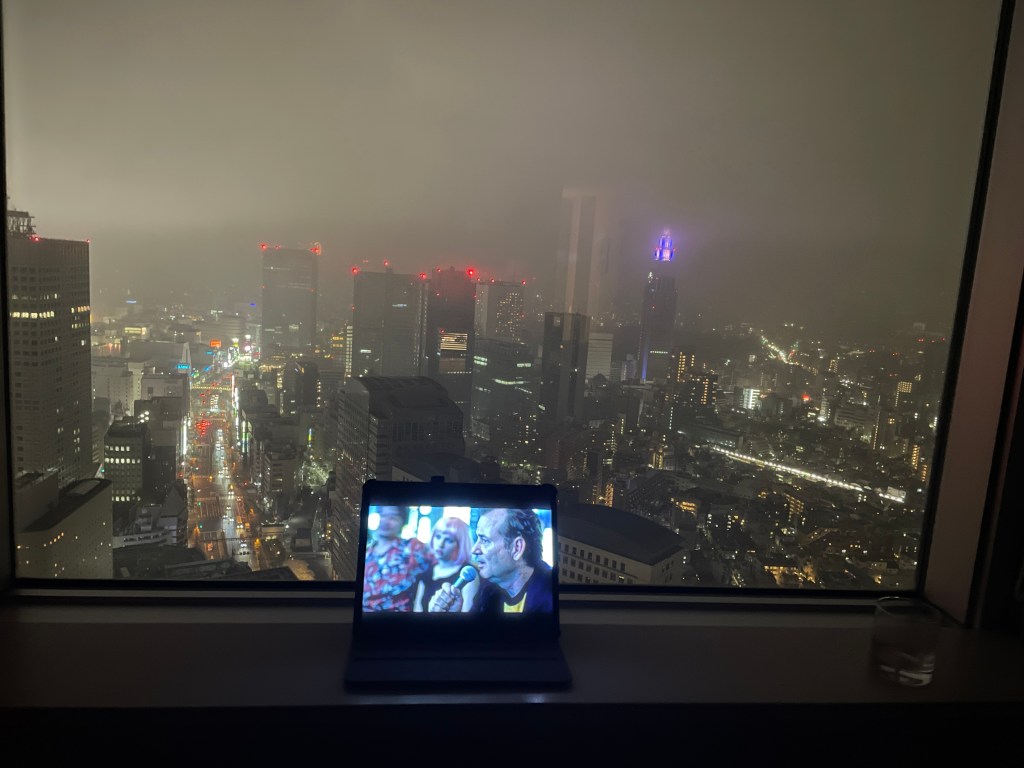
Like many, my first brush with Tokyo came courtesy of “Lost in Translation”. Bill Murray, Scarlett Johansson, and that smoky, melancholic vibe of the New York Bar at the Park Hyatt Tokyo planted the seed. Years later, Tokyo has claimed the title of my favorite city, but I’ll always associate it with that movie’s bittersweet magic.
On my first visit, I signed up for a group tour, convinced I’d never navigate the city’s labyrinthine streets on my own (spoiler: it’s not that hard). My hotel was the Keio Plaza in Shinjuku, just a stone’s throw from the Park Hyatt. With a free evening, I decided to visit the New York Bar. There was a line of course, and a cover charge of 1,500 JPY (now 2,500 JPY). But once I was inside, seated just a few spots away from where Bill Murray nursed his Hibiki 17, so I didn’t care. The whisky was overpriced, the crowd was mostly foreign tourists chasing the same movie magic, and I loved every second of it.
Since then, every trip to Tokyo has included a pilgrimage to the New York Bar. For years, staying at the Park Hyatt was a dream, the kind you put on a bucket list but assume will stay there. But on a recent trip, fresh off a stay at the Park Hyatt Kyoto, I finally booked a few nights at the iconic hotel. Just in time, too, as it was about to close for a much needed renovation.
The Cost of Luxury
Let’s not sugarcoat it: the Park Hyatt Tokyo isn’t cheap. A night here runs anywhere from 50,000 to 100,000 JPY ($500 to $1,000 USD), depending on the season. If you’re not ready to splurge, points are your best friend. As a Category 7 property, a standard night costs 30,000 Hyatt points, and many savvy travelers I’ve met at the New York Bar snagged their stays using the Chase Hyatt Rewards Card’s sign-up offer.
For a more wallet friendly option, consider splitting your time between the Park Hyatt and the nearby Hyatt Regency Tokyo, a Category 4 hotel that costs 15,000 points or about 20,000 JPY per night. It’s a practical way to experience luxury without obliterating your budget.
Discovering the Park Hyatt Tokyo
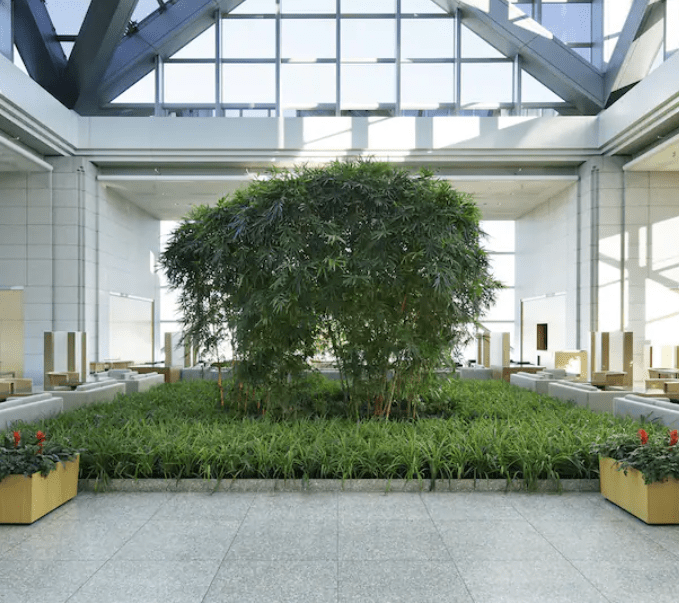
Nestled high above the frenetic streets of Shinjuku, the Park Hyatt Tokyo is a serene oasis that blends modern luxury with subtle Japanese elegance. It’s also a magnet for Lost in Translation fans. During my stay, I noticed three types of guests: the effortlessly wealthy, the business travelers whose companies foot the bill, and romantics like me, chasing cinematic nostalgia.
The hotel, which is currently closed for renovations until October 2025, was undeniably showing its age. While its charm remained intact, you could tell it was designed for an earlier era. Even without directly comparing it to the newer Park Hyatt Kyoto, it was clear the Tokyo location was overdue for a refresh. Still, its atmosphere, equal parts sophisticated and inviting, made up for any aesthetic shortcomings.
Room and Arrival: A Mixed Bag
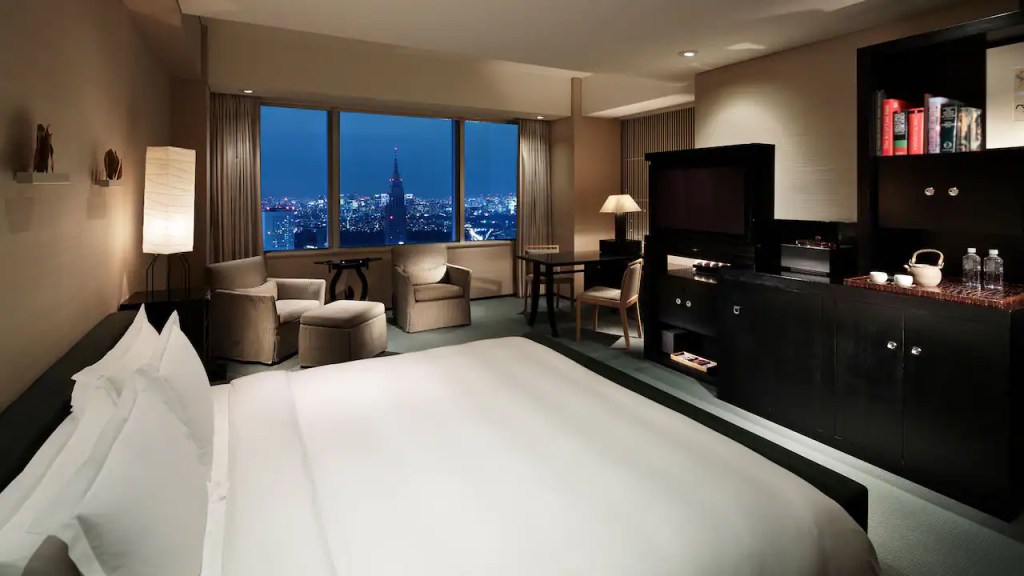
Arriving at the Park Hyatt, I felt like a kid on Christmas morning, giddy and wide-eyed. I’d originally booked this stay for my 40th birthday, pandemic be damned, and was finally here. After checking in, I was escorted to my room… and the excitement started to wane.
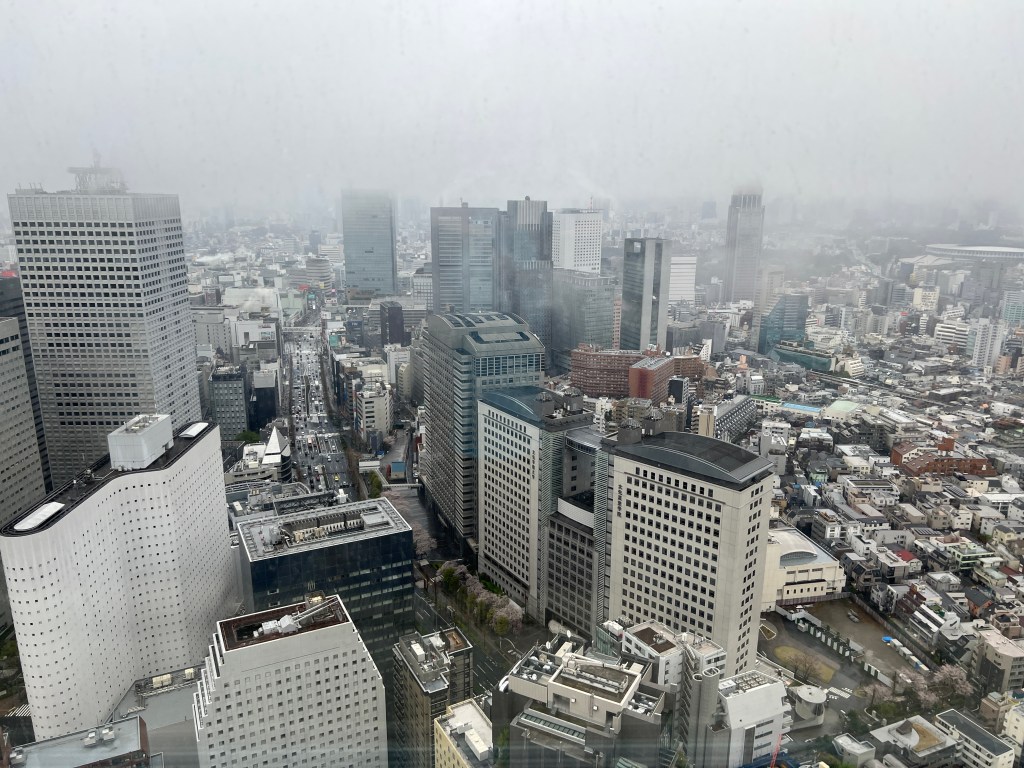
The view? Jaw-dropping. Shibuya’s neon glow stretched out before me, and I knew that, come morning, I’d likely have a clear view of Mt. Fuji. The room itself, though? Let’s just say it felt more “classic” than “luxurious.” Translation: dated. My wife reminded me to manage my expectations, but even she agreed the room didn’t quite live up to the price tag.
The night took a turn when the air conditioning decided to stage a mutiny. Despite several visits from the hotel’s tech team, the temperature climbed to an unbearable 80 degrees. I was on the verge of becoming Shane from “The White Lotus” when the staff finally relocated us to a larger room with a working AC. Crisis averted, though not without a few frayed nerves and a broken shower door in the new room for comic relief.
Dining: A Tale of Two Bars
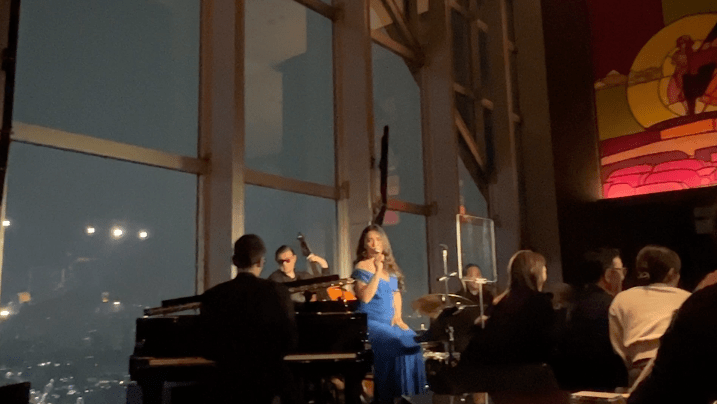
If the rooms left something to be desired, the dining experiences more than made up for it. The New York Bar, immortalized in “Lost in Translation”, sits on the 52nd floor and offers stunning views of Tokyo. The reality, however, is a bit different from the movie. It’s always crowded, often noisy, and you’ll probably wait in line, even as a hotel guest. But once you’re in, the ambiance, live jazz, and impeccable service make it worth the hassle.
My wife and I ordered the infamous Hibiki 17 (eye-wateringly expensive but worth it) and an Old Fashioned each, one American-style, one Japanese-style. The steak and Wagyu burger we ordered were perfection, as were the duck fat fries. The New York Bar may not match the romanticized image from the movie, but it’s still an experience I’d recommend to any visitor.
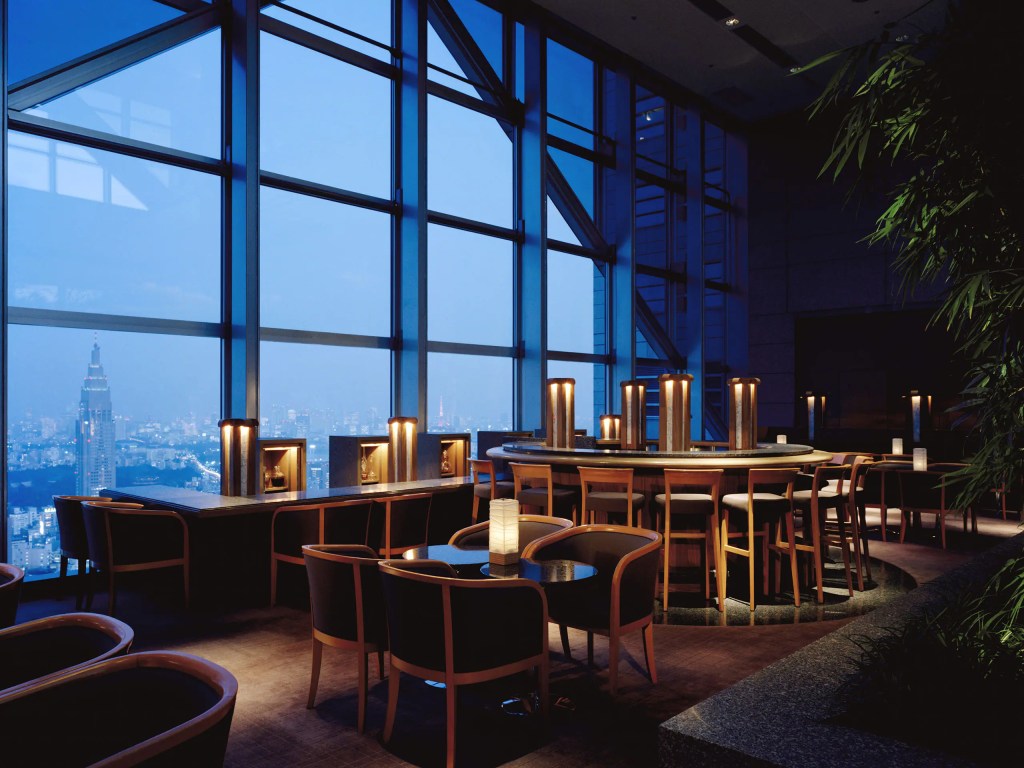
The Peak Bar, by contrast, is a calming retreat on the 41st floor. Its Twilight Time a special, unlimited drinks and canapés for 4,800 JPY—is a steal. The staff take their time, encouraging you to savor each drink and soak in the serene atmosphere. After a busy day navigating Tokyo’s sensory overload, this was the perfect place to unwind.
Amenities and Final Thoughts
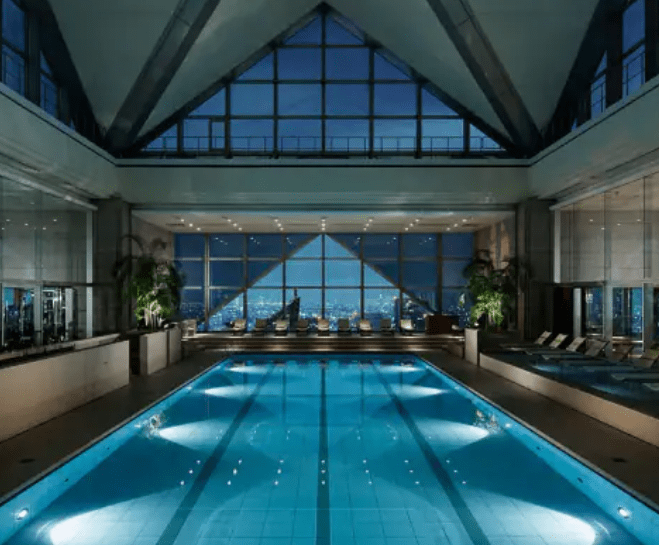
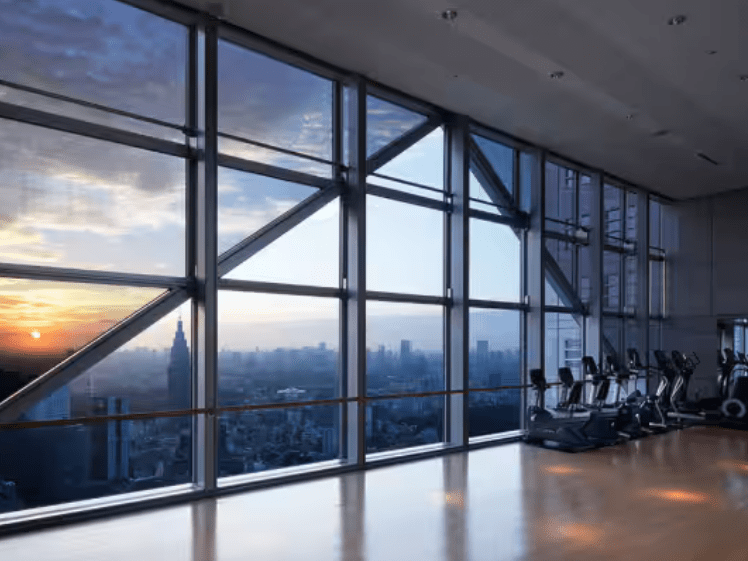
The hotel’s amenities are as impressive as you’d expect. The library, filled with curated books, is a quiet refuge. The fitness center and pool—both featured in Lost in Translation—are highlights, though the pool’s reservation system can be a bit confusing.
What truly sets the Park Hyatt Tokyo apart, however, is its staff. From loaning umbrellas to delivering an absurd amount of bubble wrap on request, their attention to detail is unmatched. Even during moments of frustration, their professionalism and kindness kept the experience from veering into disaster territory.
Conclusion
Despite some hiccups, my stay at the Park Hyatt Tokyo was unforgettable. It’s a place where nostalgia and luxury converge, offering a retreat from the city’s constant motion. Whether you’re chasing Lost in Translation memories or simply looking to experience Tokyo in style, the Park Hyatt Tokyo remains an iconic destination—one I’ll eagerly return to after its renovation.
The Hyatt Enthusiast
 The Hyatt Enthusiast